
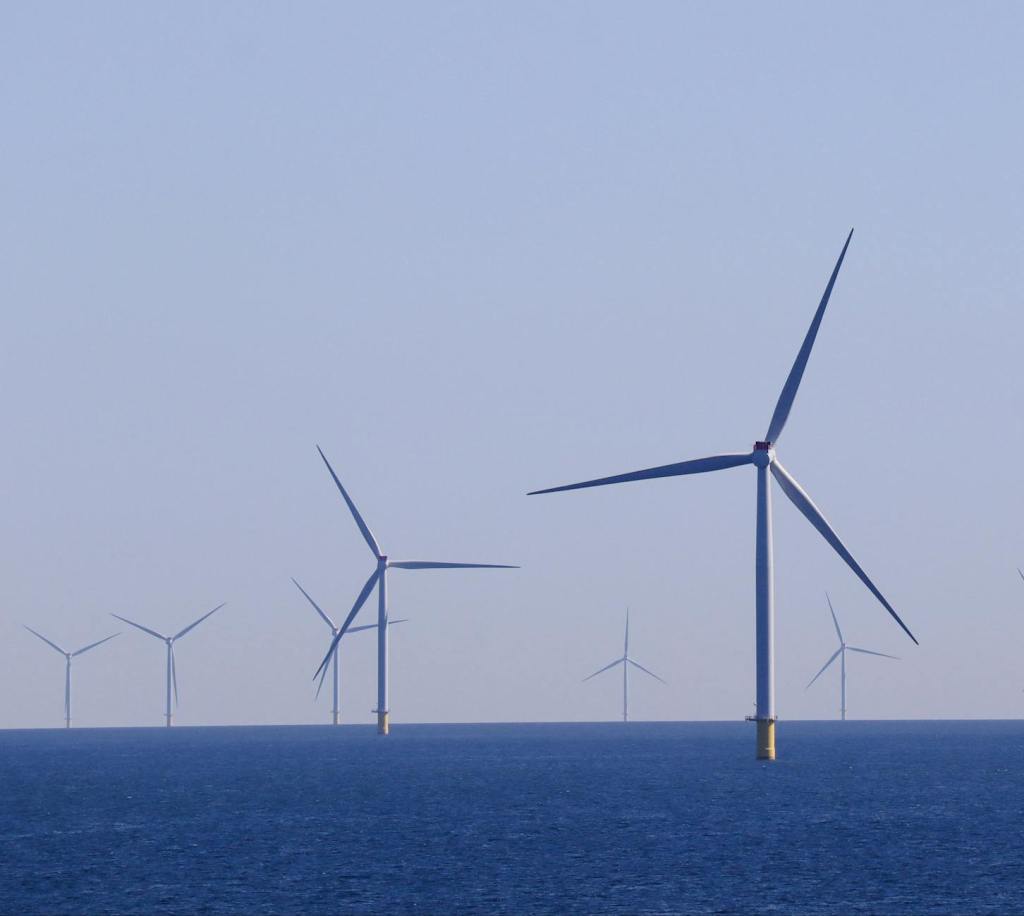
Offshore energy projects are becoming increasingly popular as a means of harnessing renewable energy sources to reduce carbon emissions. However, managing and monitoring these projects to reduce the risks to marine biodiversity is essential. Deploying offshore wind and ocean energy devices can have significant environmental impacts, so conducting risk assessments and continual monitoring is necessary.
Scientists and policymakers who better understand how offshore energy activities affect marine ecosystems can make informed decisions to mitigate their impacts. Conducting a baseline study of the environment is the first step to monitoring potential risks. Scientists learn about and understand the dynamics of the environment’s ecosystem before the device is placed in the water. This provides scientists with a reference point to compare and monitor changes while the instruments are operational. A lack of data about the actual environmental impacts of offshore wind and ocean energy devices can result in substantial delays during the consenting process. Assessing the potential ecological impacts of new offshore energy projects is critical. This includes evaluating the effects on other maritime sectors, such as fisheries and tourism. Strategic planning processes should take an ecosystem-based approach to ensure that the construction and operation of offshore energy projects do not jeopardize the ocean’s health and the resilience of marine ecosystems.
Fun fact: Did you know that a single offshore wind turbine can generate enough electricity to power 1,400 homes for an entire day?
Regular monitoring can help identify potential impacts on marine biodiversity and ensure environmental regulations are followed. Operational parameters such as rotor speed can be adjusted to minimize mortality related to the operation of the device. Additionally, monitoring changes to the marine ecosystem associated with offshore energy infrastructure can help inform the design and placement of future offshore wind and ocean energy installations. In the future, creating a Marine Protected Area surrounding the offshore wind and ocean energy installations may be possible, making them out of bounds for fishing and other maritime traffic. A Marine Protected Area would protect commercial fish species and bolster the marine ecosystem.
In conclusion, managing and monitoring offshore energy projects is crucial to reducing marine biodiversity risks. By conducting risk assessments, continual monitoring, and adopting biodiversity-friendly operations, we can ensure that offshore energy projects operate sustainably and do not harm aquatic ecosystems. This will help us achieve our goals of reducing carbon emissions while protecting the ocean’s health and the resilience of marine ecosystems.
 The Artful Biologist
Leave a comment