
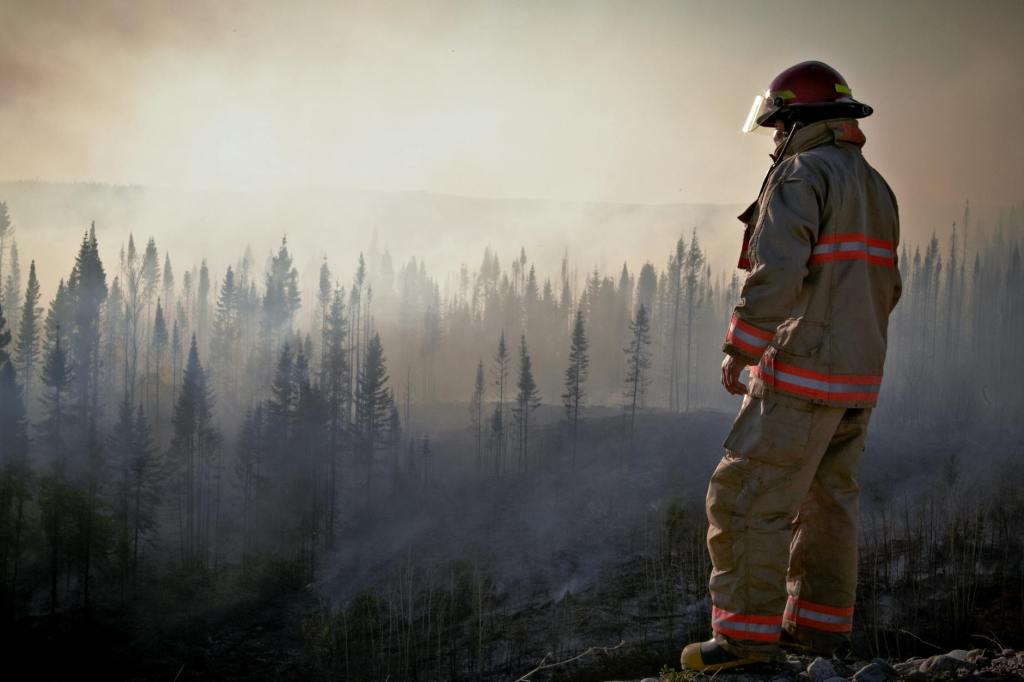
Air pollution is a global crisis that poses a significant threat to human health. It encompasses harmful substances in the air we breathe, leading to severe consequences for individuals and communities. The detrimental effects of air pollution on human health are well-documented, with millions of premature deaths attributed to both outdoor and indoor air pollution each year. In this series of blog posts, I will be delving into some of the research I conducted for my master’s degree, aiming to shed light on the relationship between air quality policy, air pollution, and its disproportionate impact on vulnerable communities.
Understanding Air Pollution
Air pollution is primarily caused by the presence of hazardous substances in the air we inhale. Particulate matter (PM) and ground-level ozone are recognized as the most harmful air pollutants to human health. Particulate matter refers to tiny particles suspended in the air, which can penetrate deep into our lungs, leading to various health issues. Exposure to PM pollution is responsible for lung disease, cancer, strokes, and heart attacks. On the other hand, ground-level ozone contributes to respiratory difficulties, reduced lung function, and eye irritation, particularly affecting children, the elderly, and individuals with asthma.
Sources of Air Pollution
Air pollution arises from both natural and anthropogenic sources. Anthropogenic sources, such as transportation and industrial processes, constitute the primary contributors to air pollution. Vehicles burning fossil fuels, including cars, trucks, buses, planes, and vessels, release a significant amount of pollutants into the air. Industrial activities related to energy production, chemical manufacturing, metal processing, and cement production also emit pollutants through the combustion of fossil fuels and vehicular exhaust. Moreover, residential and indoor sources, such as cooking, waste management, and agricultural practices, also contribute to air pollution. Natural events like volcanic eruptions, dust storms, and wildfires can further exacerbate air pollution levels.
Impacts on Human Health
Air pollution has severe implications for human health, leading to respiratory problems, cardiovascular diseases, and other illnesses. Vulnerable individuals with preexisting conditions like asthma, chronic obstructive pulmonary disease, and heart disease are particularly susceptible to the harmful effects of air pollution. Exposure to air pollution during pregnancy can also have detrimental effects on the developing fetus. Certain groups, including children, the elderly, and marginalized communities, are more vulnerable due to factors such as age, health status, lifestyle, and living conditions.
Historical and Current Air Quality Polices
Concerns about air pollution have been evident for many years, leading to the formulation of environmental policies to protect public health. In the late nineteenth century, major cities began regulating smoke emissions in the United States. Subsequently, the Clean Air Act (CAA) was established in 1963, setting science-based standards to safeguard public health and welfare nationwide. The CAA amendments in 1970 marked a significant milestone in air quality regulations, implementing national standards for air quality. While air quality has improved since the introduction of the CAA, equitable improvement remains a challenge. Studies have consistently highlighted that lower-income, minority, and marginalized populations face higher exposure to air pollution and its associated health impacts.
Research Objectives and Implications
The focus of my research was to investigate the interplay between air quality policy, air pollution, and the disproportionate impact on vulnerable communities. By understanding the causes of exposure and vulnerability, we can assign blame and accountability, prompting resource allocation and political action. The absence of government intervention perpetuates vulnerability and marginalization. Examining communities overburdened by pollution is crucial in unveiling evidence of social injustices and policy limitations. This knowledge can be instrumental in advocating for environmental justice and informing future air pollution policies.
Conclusion
Air pollution poses a significant threat to human health and the environment. Understanding the relationship between air quality policy, air pollution, and its disproportionate impact on vulnerable communities is crucial for fostering environmental justice and addressing disparities. Through research and the dissemination of knowledge, scientists, policymakers, and activists can work together to develop solutions that protect human health and ensure equitable access to clean air. Stay tuned for future blog posts, where we will delve deeper into the complexities surrounding air pollution and its impact on society. Together, we can strive for a cleaner and healthier future for all.
References
Meadowcroft, J., & Fiorino, D. J. (2017). Conceptual Innovation in Environmental Policy. The MIT Press.
Air Pollution. (2023). Retrieved from World Health Organization: https://www.who.int/health-topics/air-pollution#tab=tab_1
Kraft, M. E. (2022). Environmental Policy and Politics. New York: Routledge.


 The Artful Biologist
Leave a comment