
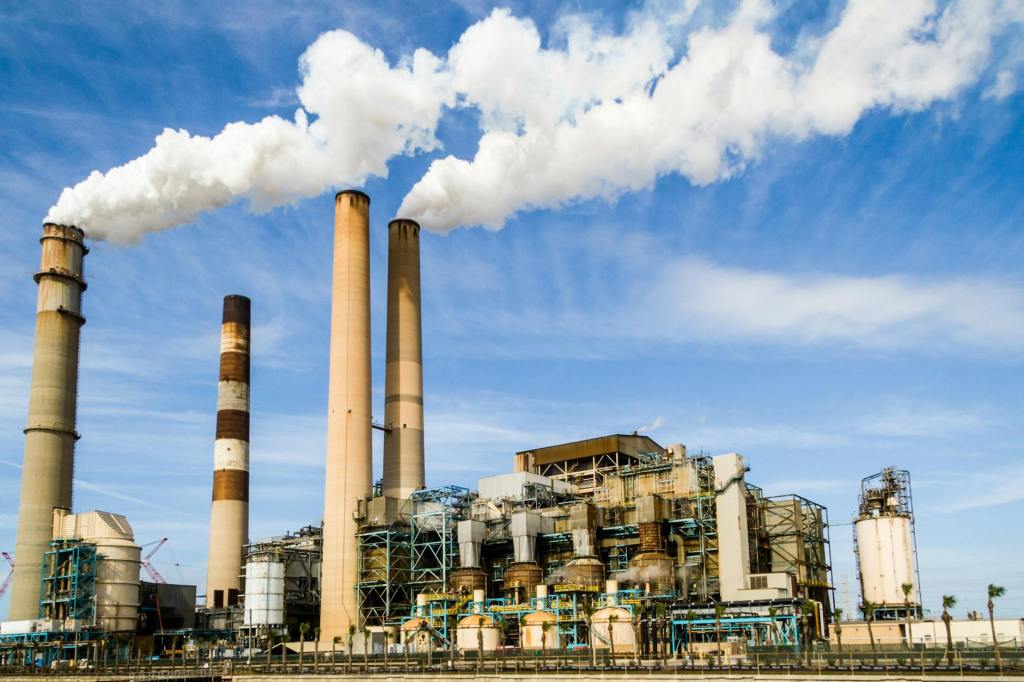
In my ongoing blog series on air pollution, we have explored the detrimental effects of air pollution on human health and the environment. In this post, we will delve deeper into the concept of air quality, examining the sources of air pollutants and their impact on our well-being. Understanding air quality is crucial for devising effective strategies to combat pollution and protect public health.
The Complexities of Air Quality
Air quality refers to the level of pollution or contaminants present in the air. It is influenced by a wide range of factors, including both natural and human-made sources of pollutants. Table 1 provides a summary of common air pollutants and their respective sources, but it is important to note that this list is not exhaustive.
| Pollutant | Description | Examples of Sources |
|---|---|---|
| Particulate Matter (PM) | A mixture of solid particles and liquid droplets that is found in the air. They are characterized by size; for instance, PM2.5 are particles with a diameter smaller than 2.5 µm. PM as large as PM10 can be inhaled and cause serious health problems. PM is the main cause of reduced visibility (haze). | Atmospheric chemical reactions Power plants Fires Construction sites Fields Road dust Fossil fuel burning Sea salt from the ocean Resuspended dust |
| Volatile Organic Compounds (VOCs) | Compounds that have a high vapor pressure and low water solubility, some of which may have short- and long-term adverse health effects. | Industrial processes Household products Solvents Fuel combustion |
| Ozone (O3) | Tropospheric or ground-level ozone is a secondary pollutant, i.e. it is created through chemical reactions rather than direct emissions from sources | Chemical reactions between NOx and VOCs |
| Nitrogen Oxides (NOx) | A mixture of gases that are composed of nitrogen and oxygen. Exposure to NOx can cause irritation to the human respiratory system. | Vehicle emissions Burning fossil fuels |
| Sulfur Dioxide (SO2) | A colorless, odorless gas that is the main contributor to acid rain and, when inhaled, can cause respiratory problems. | Fossil fuel combustion Industrial sources Refineries Power plants Volcanic eruptions |
| Carbon Monoxide (CO) | A colorless, odorless gas that can cause flu-like symptoms, fainting, and death when inhaled in large amounts. | Vehicle emissions Burning fossil fuels Unvented gas space heaters Wood stoves Auto, truck, or bus exhaust |
| Lead (Pb) | A toxic heavy metal that can be found in the air and, when exposed, can have serious health effects, particularly on the developing brains and nervous systems of children. | Industrial processes like smelting Use of leaded gasoline (aviation fuel) Waste incineration |
| Mercury (Hg) | Airborne mercury is a form of mercury in the air as a gas, vapor, or particulate. | Combustion of coal, oil, and wood Industrial activities Coal-burning power plants Volcanic eruptions Emissions from the ocean |
| Polycyclic aromatic Hydrocarbons (PAHs) | A group of over 100 different chemicals which are formed when burning fossil fuels or other organic substances. | Industrial activities Burning fossil fuels |
Factors Influencing Air Pollution
Various factors determine the lifespan of air pollutants in the atmosphere. Some pollutants may disperse quickly due to strong winds, while others can persist for extended periods. Chemical reactions, deposition, and weather conditions such as temperature, sunlight, precipitation, humidity, and wind speed all play a role in the behavior of pollutants.
Criteria Air Pollutants
Under the Clean Air Act, the Environmental Protection Agency (EPA) identifies six pollutants known as “criteria” air pollutants due to their significant impact on human health and the environment. These pollutants include carbon monoxide, lead, nitrogen oxides, ground-level ozone, particulate matter, and sulfur oxides. Additionally, there are 189 other potentially harmful air pollutants designated as toxic or hazardous.
Impacts to Human Health
Air pollution poses numerous health risks, ranging from respiratory problems to cardiovascular disease, neurological effects, cancer, reproductive and developmental issues, and premature death. Particulate matter, especially PM2.5, has been strongly linked to mortality and morbidity rates. Exposure to pollutants like PM2.5 can lead to serious health problems, including reduced lung function, aggravated asthma, and heart-related issues. Moreover, recent revisions to the World Health Organization’s guidelines highlight the urgency of addressing air pollution, as a large percentage of the global population lives in areas with pollution levels exceeding recommended limits.
Regulating Air Quality
The Clean Air Act empowers the EPA to establish national air quality standards to protect public health and the environment. These standards include primary standards, which are health-based, and secondary standards, which safeguard public welfare. The EPA periodically reviews and updates these standards based on the latest scientific evidence. Recently, the EPA proposed a revision to strengthen the primary annual PM2.5 standard, aiming to prevent premature deaths and improve public health significantly.
Conclusion
Understanding air quality and the sources of air pollutants is crucial for developing effective strategies to mitigate pollution and protect public health. The complexities of air pollution demand ongoing research, policy interventions, and community engagement to achieve cleaner air and a healthier future. In our next blog post, we will explore the impacts of air pollution on vulnerable communities and the importance of environmental justice in addressing these disparities. Stay tuned for more insights into this critical issue.
References
Castillo, M. D., Kinney, P. L., Southerland, V., Arno, C. A., Crawford, K., Donkelaar, A. v., Anenberg, S. C. (2021). Estimating Intra-Urban Inequities in PM2.5-Attributable Health Impacts: A Case Study for Washington, DC. GeoHealth.
EPA. (2022, August 9). Criteria Air Pollutants. Retrieved from United States Environmental Protection Agency: https://www.epa.gov/criteria-air-pollutants
Clements, A., Duvall, R., Greene, D., & Dye., T. (2022). The Enhanced Air Sensor Guidebook. Washington, DC,: U.S. Environmental Protection Agency.
Lee, K., Greenstone, M., & Hasenkopf, C. (2022). Air Quality Life Index Report. AQLI.
Suh, H. H., Bahadori, T., Vallarino, J., & Spengler, J. D. (2000). Criteria Air Pollutants and Toxic Air Pollutants. Environmental Health Persepectives, 625-633.
 The Artful Biologist
Leave a comment