Hello 2026 readers, scientists, nature enthusiasts and artists. I welcome you all to join me as I dedicate more energy towards content and creativity for this blog. To start, I want to explore a phenomenon I learned about in grad school but have more recently been thinking about, it’s the “Aesthetics of Extinction.”
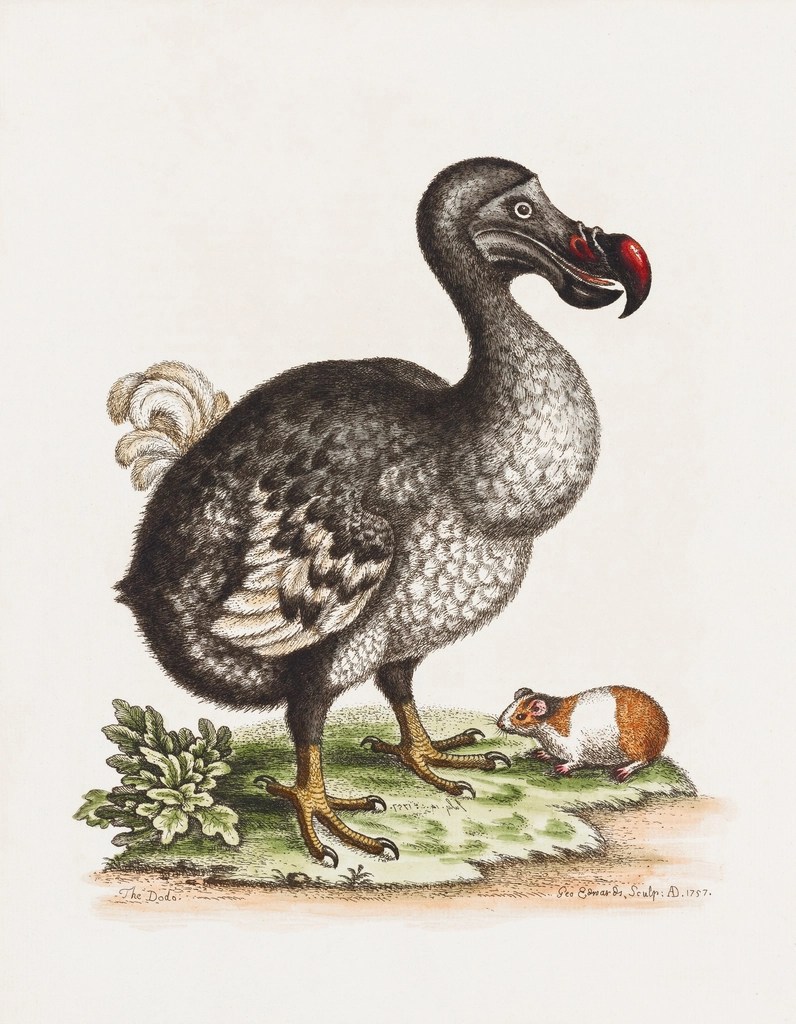
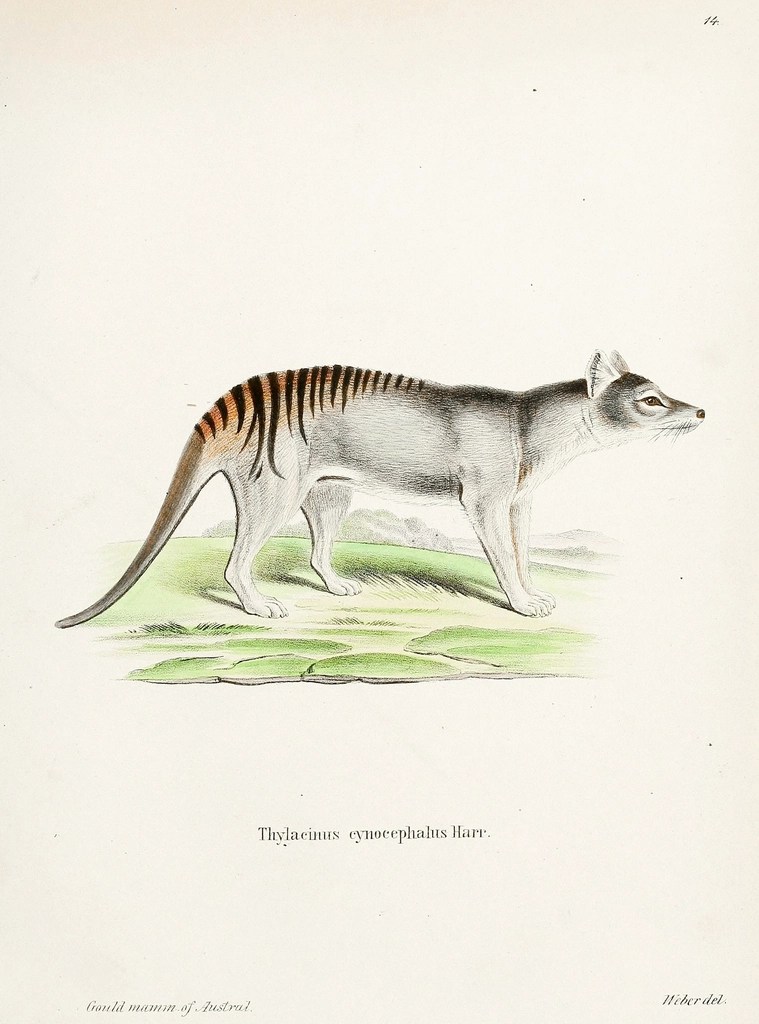
There is a sort of haunting stillness in looking at these illustrations of the Dodo (left), who went extinct sometime in the 17th century and the Thylacine (right) who more recently went extinct in 1936. In many biology courses, we are taught the evolutionary history of plants and animals, and this often involves looking at images or illustrations, which may be all that remains of a species. These works are not just evidence but can be tools that drive modern conservation policy. The “branding” of a species, how we see it and feel about it, can directly influence its survival.
Take the Dodo for example. We have all heard the phrase “Dead as a Dodo,” and some of us may recognize the bird from Alice’s Adventures in Wonderland by Lewis Carroll (1865) and in Alice in Wonderland (1951 film). However, there is a darker side to this imagery. Early artistic cultures often illustrated the Dodo as fat, clumsy and weak. While the science tells us that they were in fact quite fit for their environment, the fallacy of their unintelligence and disproportions were framed by many artists. This branding helped frame their extinction as an inevitable story of evolutionary failure rather than a result of human-led ecocide.
The Price of Beauty
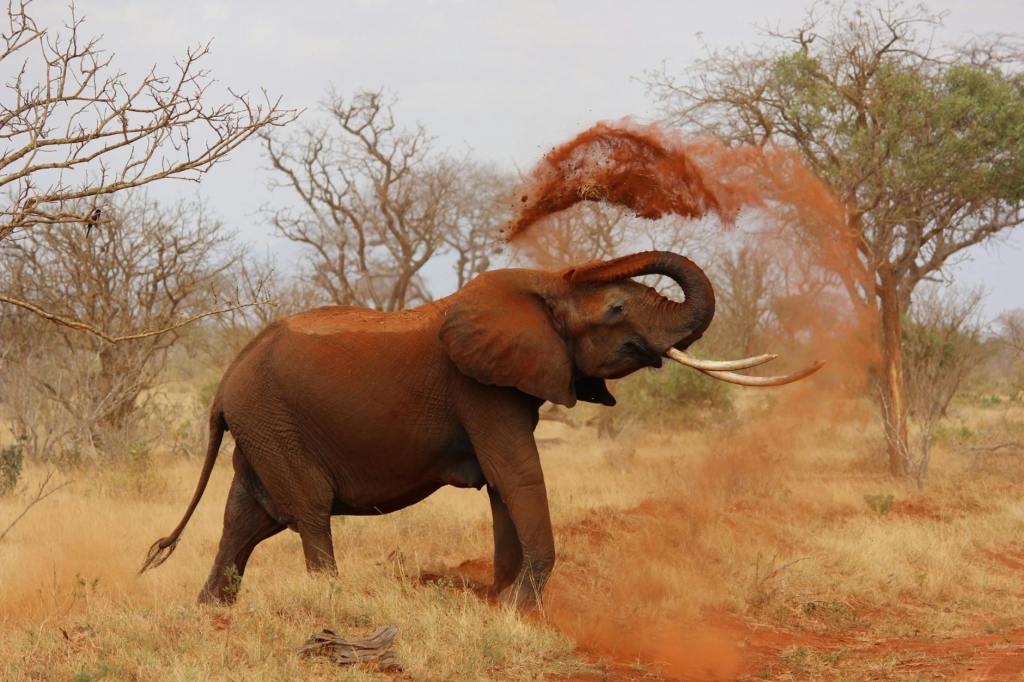
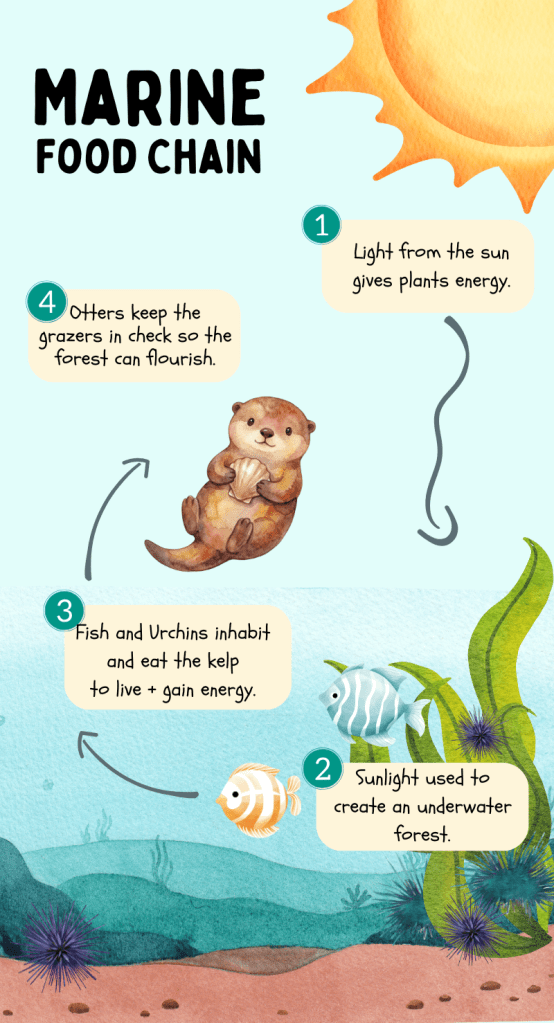
One of the leading drivers of extinction is overexploitation. Dodos, passenger pigeons, northern white rhinos, and Moas were hunted to extinction. Others, like the American Bison, beaver, several species of whales, and African elephants have been hunted to near extinction. Even though these species have not been wholly eradicated, overharvesting a keystone species has radically altered many ecosystems. For example, hunting sea otters for their pelts led to an explosion of sea urchin populations, which decimated kelp forests.
The Policy Challenge
If overharvesting threatens extinction and biodiversity, I think the natural question we ask is: “Why not just outlaw the harvest?” Well, for one thing, we have to figure out how to make harvesters behave more conservatively.
In practice, top-down bans can be messy. For example, when China banned the ivory trade in 2017, it was marked as a landmark policy win, but led to an increase in black market sales as the “commodity” became more rare. This is an example of how making a biological artifact illegal can sometimes make its “aesthetic value” rise for collectors, a really tragic paradox.
To understand how to make harvesters behave more conservatively, we have to look beyond just “Markets” (putting a price on nature) and “States” (passing laws). Elinor Ostrom argued for “polycentric” governance, which is the idea that local communities, social norms, and shared communication are vital and often more effective than distant government mandates.
This is where art enters the policy room.
Art is one of our tools we use to change or build social norms. If a law tells us what we can and can’t do, art helps us find who we want to be. Looking at the elephant ivory trade, we can see how this transition from ‘legal rule’ to ‘cultural value’ works.
Policy options usually focus on reducing demand or creating stronger penalties, but how do you actually change the “culture” of a market?
This ivory burn is a powerful message from governments that ivory has no value unless it is on a living animal. I see this video as performance art being used to de-brand ivory as a luxury item and communicate that life is more beautiful.
What does it mean?
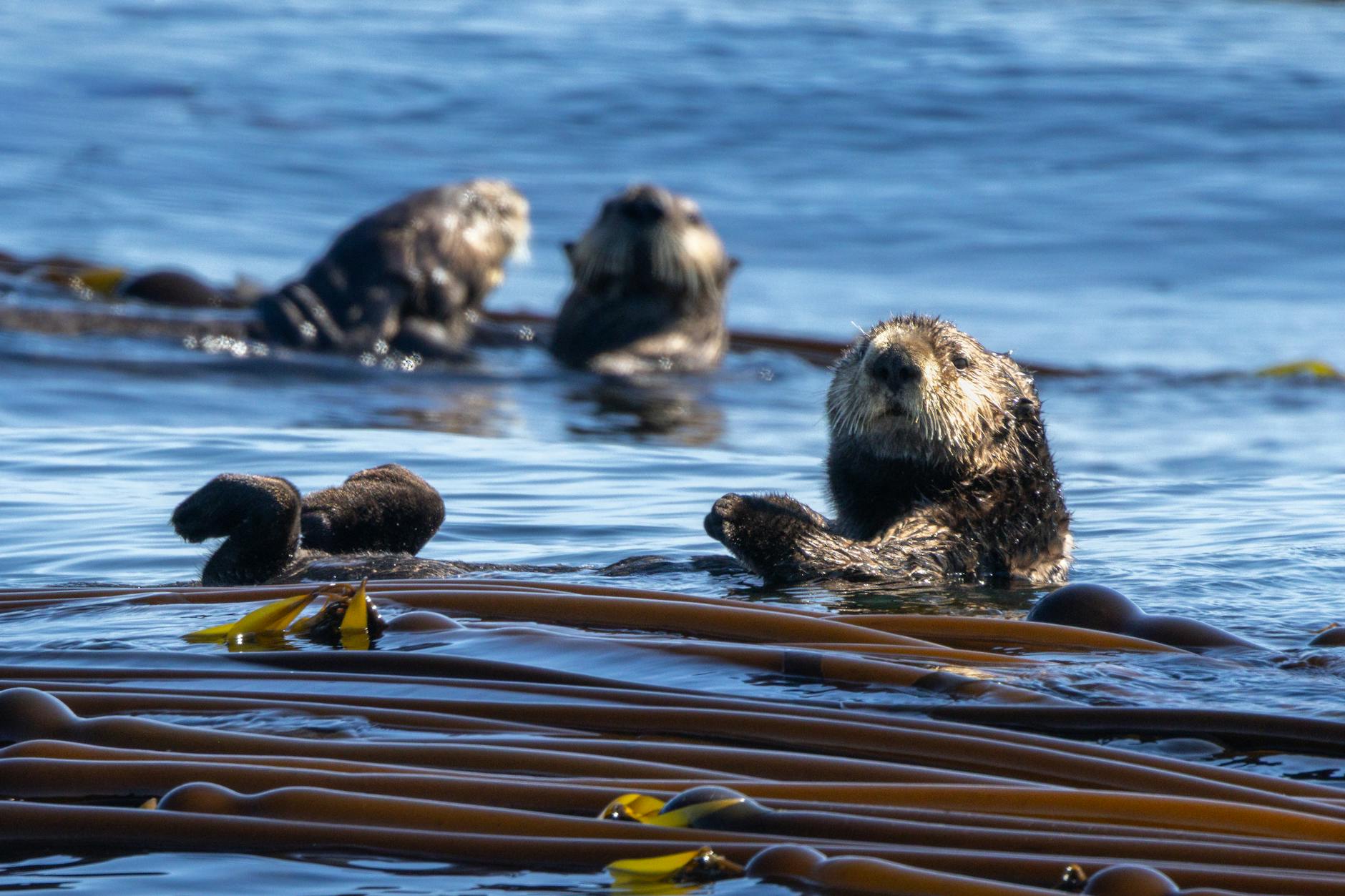
It means that the way we see and how we feel about a species is often what determines if we save it. We have to be careful not to let the ‘Dodo fallacy” or the “ivory commodity” define the story of the living world. Instead, we should lean into efforts that are working such as the recovery sea otters have had. Through a combination of community-led policy and a massive shift in how we ‘branded’ the species as a vital keystone protector, we changed the narrative. We stopped seeing a ‘product’ and started seeing a ‘protector.’ Even though they are still endangered, it is proof that when we shift our aesthetics away from the dead part toward the living whole, nature has the capacity to heal.
An Artful Action
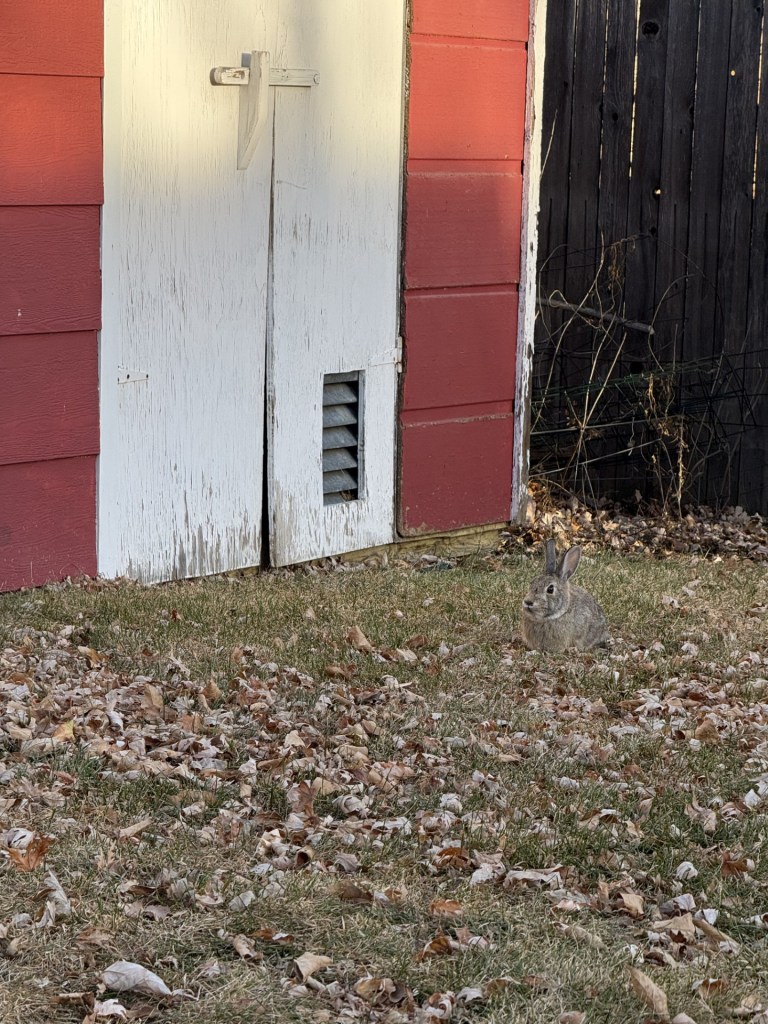
Witness nature through your own photography, or sketches of local species. Start documenting the biology in your own backyard or during walks you take.
 The Artful Biologist
Leave a comment